
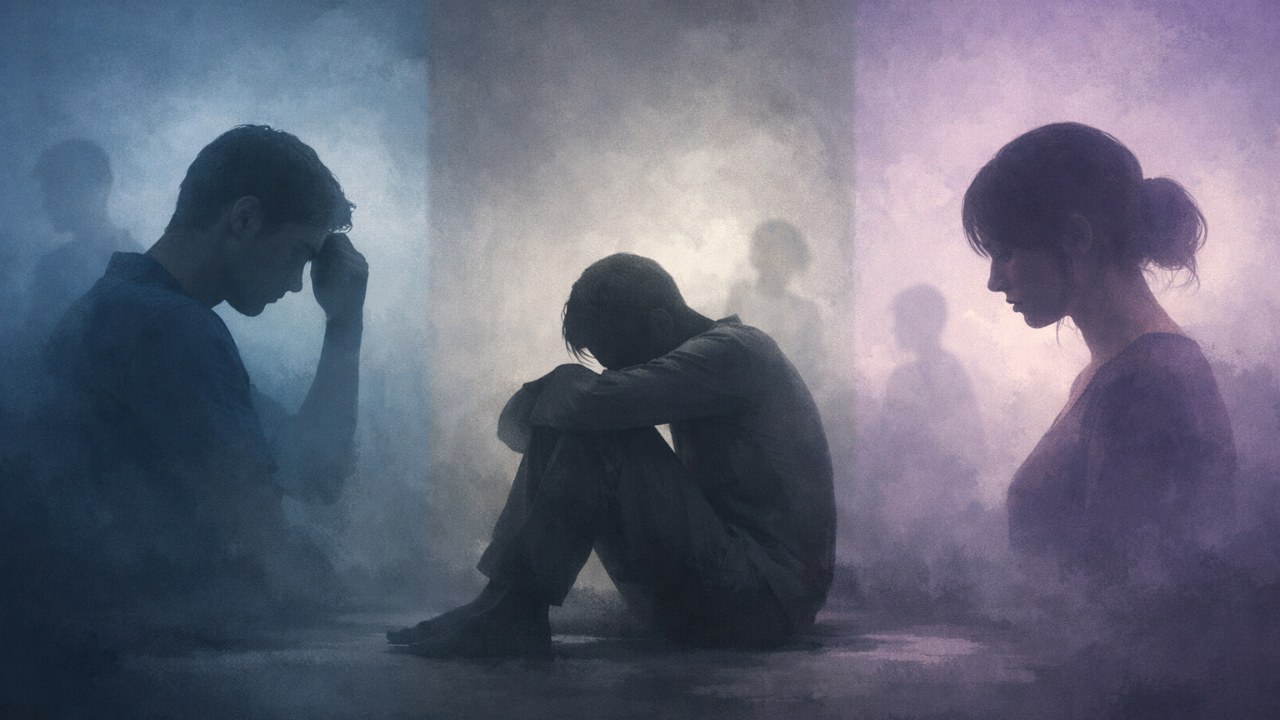
Color psychology studies how different colors affect human emotions, thoughts, and behavior. Experts have observed that the colors people choose in clothing, décor, or personal items can sometimes reflect their emotional state, including their self-esteem.
While color preference is not a definitive measure of personality, certain shades are often linked with people who feel insecure, anxious, or withdrawn. This article highlights the three colors most associated with low self-esteem and explains why they may be subconsciously chosen.
1. Black — The Protective Color
Black is often associated with power, sophistication, and formality. However, people with low self-esteem may choose black as a way to create a psychological shield. It allows them to feel hidden or less exposed, reducing the risk of being judged. Wearing black frequently can reflect a desire for protection, emotional restraint, or concealment.
2. Gray — Neutral and Reserved
Gray is a neutral, muted color that is often connected with calmness, reserve, and avoidance of attention. Individuals who prefer gray may feel uncomfortable standing out or expressing strong emotions.
Gray can provide a sense of safety, helping people blend in and avoid scrutiny. It is often chosen by those who are feeling cautious, unsure, or emotionally withdrawn.
3. Dark Blue — Subtle and Serious
Dark blue or navy conveys calmness, responsibility, and introspection. While blue is generally associated with reliability, darker shades can indicate a hesitation to express confidence openly.
People with low self-esteem may prefer dark blue because it allows them to appear composed without attracting too much attention. This color choice can signal restraint, seriousness, and subtle self-protection.
Quick Overview: Colors and Low Self-Esteem
| Color | Psychological Meaning | Association With Low Self-Esteem |
|---|---|---|
| Black | Protection, concealment | Acts as a shield to avoid exposure |
| Gray | Neutrality, calmness | Helps blend in and feel emotionally safe |
| Dark Blue | Responsibility, introspection | Shows restraint and hesitation to stand out |
Understanding the Implications
It is important to note that color choice alone does not define self-esteem. Many factors, including culture, fashion, and personal taste, influence color preferences.
However, when certain colors are chosen consistently, they can provide clues about a person’s emotional state. Dark and muted colors like black, gray, and dark blue often reflect a subconscious desire to feel safe, reduce attention, and protect oneself emotionally.
Recognizing these patterns can be helpful for understanding oneself or others, but color should be considered alongside other behaviors, actions, and emotional indicators.
Psychology highlights that black, gray, and dark blue are the colors most often chosen by individuals with low self-esteem. These colors are not inherently negative; they can reflect caution, subtlety, and a need for emotional safety.
Understanding these patterns can help increase self-awareness and encourage the use of colors in ways that support confidence, comfort, and personal expression.
FAQs
Can color choices really reflect self-esteem?
Color preferences can hint at emotional tendencies, but they should never be seen as a definitive measure of self-esteem.
Do brighter colors indicate higher self-esteem?
Generally, brighter colors like red or yellow are associated with energy and confidence, but individual experiences vary.
Should people avoid dark colors if they have low self-esteem?
No. Dark colors can provide comfort and safety. Exploring different shades can help express emotions more confidently.