
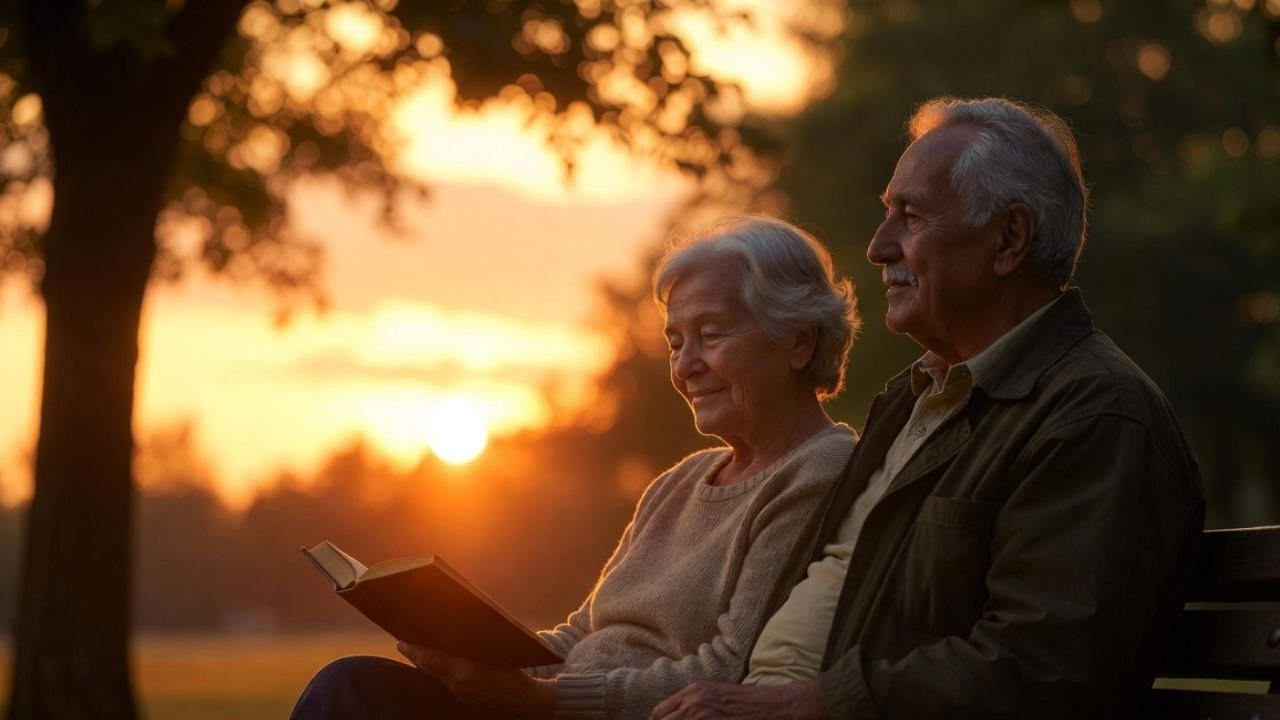
Many people believe happiness comes from finding a big purpose or achieving lifelong dreams. However, modern psychology research on aging and happiness suggests something surprising: the happiest people after 60 are often those who stop chasing happiness and simply appreciate life as it is.
Studies on life satisfaction and aging show that emotional well-being often improves as people grow older. Instead of constantly pursuing goals, older adults tend to focus on meaningful relationships, personal peace, and acceptance of everyday life.
This shift in mindset is one of the biggest reasons why many individuals report feeling happier after retirement.
Why Happiness Often Increases After Age 60
Psychological studies indicate that life satisfaction tends to rise again in later adulthood after a dip in midlife. This phenomenon is often described as the “U-shaped curve of happiness.” People experience relatively high happiness in youth, lower satisfaction during stressful midlife years, and increasing well-being again after retirement.
Research also shows that emotional well-being gradually improves with age as individuals become better at regulating emotions and focusing on meaningful experiences.
One large survey of older adults revealed that 88% of people in their 60s and 91% of people in their 70s describe themselves as happy or very happy, highlighting the strong connection between aging and positive life satisfaction.
The Psychology Behind Happiness in Later Life
Psychologists explain that older adults often develop a new perspective about life. Instead of measuring happiness by achievements or ambitions, they value presence and contentment.
Several factors contribute to this change:
1. Reduced Pressure and Expectations
By the time people reach their 60s, many major life responsibilities—such as career pressure, financial struggles, or raising children—are reduced. This freedom allows individuals to enjoy life without constant stress.
2. Stronger Emotional Regulation
Older adults tend to manage emotions better and focus on positive experiences. Research shows emotional stability increases with age, helping people maintain a calmer outlook on life.
3. Focus on Meaningful Relationships
Social connections play a major role in happiness. Studies show that social interaction significantly influences life satisfaction among older adults, emphasizing the importance of friendships and family ties.
4. Acceptance of Life’s Reality
Perhaps the most important factor is acceptance. Many older adults stop chasing external validation and instead value simple existence—being alive, spending time with loved ones, and appreciating everyday moments.
Key Psychological Factors That Influence Happiness After 60
| Factor | How It Improves Happiness | Research Insight |
|---|---|---|
| Emotional maturity | Older adults manage stress and negative emotions better | Emotional well-being improves with age |
| Social relationships | Friends and family increase life satisfaction | Social interaction strongly affects happiness |
| Reduced life pressure | Retirement and fewer responsibilities create mental peace | Midlife stress declines later |
| Acceptance mindset | People stop chasing achievements and value daily life | Leads to greater contentment |
| Health and activity | Physical activity and good health improve well-being | Linked with higher happiness in seniors |
Research also highlights that factors such as health status, financial stability, and social support significantly influence life satisfaction among older adults.
Why Acceptance Matters More Than Purpose
While purpose and passion can bring meaning to life, psychology suggests that contentment often comes from acceptance rather than achievement in later years.
Older adults who learn to appreciate ordinary moments—such as spending time with family, enjoying nature, or reflecting on life experiences—often report higher life satisfaction.
In fact, research indicates that life satisfaction can continue increasing well beyond retirement age, showing that happiness does not necessarily decline with age.
This shift toward gratitude and acceptance helps individuals feel fulfilled without needing constant success or recognition.
Psychology reveals an important truth about happiness after 60: it is rarely about chasing goals or discovering a grand purpose. Instead, it often comes from accepting life as it is and appreciating the present moment.
Research consistently shows that emotional well-being improves with age, relationships become more meaningful, and many people develop a deeper sense of peace.
The happiest seniors are not necessarily those who achieved the most—they are often the ones who learned to stop chasing happiness and simply live with gratitude and acceptance. In many ways, aging brings a powerful psychological advantage: the wisdom to realize that existence itself can be enough.
FAQs
Do people really become happier after age 60?
Yes. Many psychological studies show that life satisfaction often increases in older adulthood, especially after midlife stress declines.
What is the U-shaped happiness curve?
The U-shaped curve describes how happiness is high in youth, dips during midlife, and rises again in later years.
What factors make older adults happier?
Strong relationships, emotional maturity, better stress management, good health, and acceptance of life’s realities are key contributors to happiness after 60.