
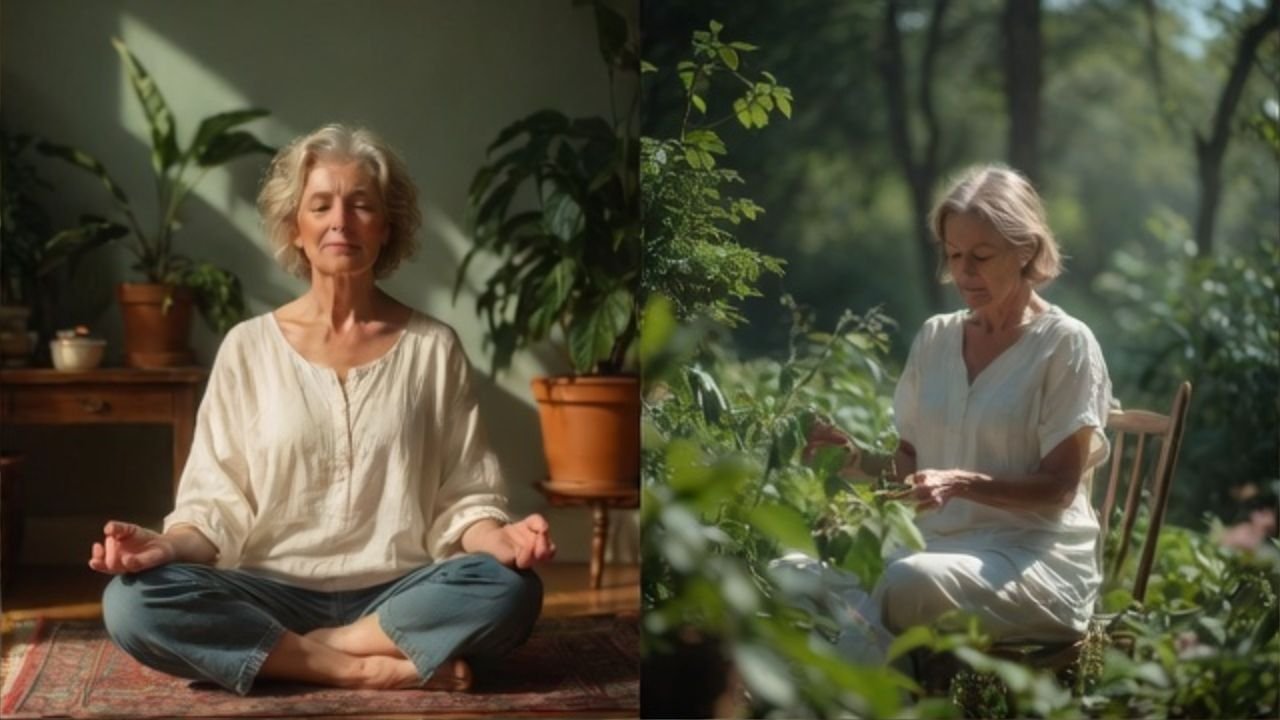
Growing old happily is not a matter of luck. Even people who have faced tough lives can achieve joy, resilience, and contentment in later years by making certain quiet lifestyle choices.
These choices may seem small, but over time they build emotional strength, physical health, and mental well-being. Here are eight choices that consistently help people grow older with happiness and purpose.
1. Maintain Strong Social Connections
One of the most important factors for happiness in old age is staying connected to family, friends, and community. People who actively nurture these relationships experience less loneliness, better emotional health, and a stronger sense of purpose. Even small gestures, like phone calls or regular visits, have a lasting impact on well-being.
2. Stay Physically Active
Regular exercise supports both physical and mental health. Walking, swimming, yoga, or light strength training can improve mobility, heart health, and balance. Older adults who stay active are also more likely to maintain independence and recover faster from health setbacks.
3. Eat a Balanced and Healthy Diet
A nutritious diet is essential for longevity and vitality. Including plenty of fruits, vegetables, whole grains, lean protein, and healthy fats can maintain energy levels, support the immune system, and reduce the risk of chronic diseases. Small, consistent dietary habits can make a huge difference over time.
4. Cultivate a Positive Mindset
Focusing on positivity and gratitude helps people handle stress and setbacks. Older adults who practice optimism tend to experience better emotional health, less anxiety, and a greater sense of satisfaction with life. Choosing to focus on small joys daily can improve long-term happiness.
5. Keep Mentally Engaged
Staying mentally active through reading, learning new skills, or engaging in hobbies helps maintain cognitive function. Challenging the mind regularly supports memory, attention, and problem-solving, which in turn strengthens confidence and self-sufficiency.
6. Build Emotional Resilience
Resilience allows older adults to bounce back from adversity and adapt to change. Developing coping skills, practicing patience, and accepting life’s ups and downs all contribute to maintaining calm and happiness, even in difficult times.
7. Find Purpose Through Meaningful Activities
Having a sense of purpose through volunteering, mentoring, or creative projects provides motivation and fulfillment. People who feel they are contributing or making a difference tend to report higher life satisfaction and emotional stability.
8. Prioritize Mental and Emotional Well-Being
Paying attention to emotional health by managing stress, seeking support, and enjoying positive experiences is crucial. Older adults who maintain emotional balance experience fewer negative emotions, better relationships, and a higher overall quality of life.
8 Quiet Choices for Happy Aging
| Choice | Benefit | Impact on Life |
|---|---|---|
| Strong Social Connections | Emotional support, reduced loneliness | Greater life satisfaction |
| Physical Activity | Better health and mobility | Increased independence and energy |
| Healthy Diet | Improved nutrition and vitality | Lower risk of chronic illness |
| Positive Mindset | Emotional stability and optimism | Greater resilience in tough times |
| Mental Engagement | Sharper cognitive skills | Stronger memory and focus |
| Emotional Resilience | Ability to adapt to stress | Improved coping and calm |
| Purposeful Activities | Motivation and fulfillment | Higher life satisfaction |
| Mental & Emotional Well-Being | Stress reduction and balance | Greater happiness and contentment |
Growing old happily is possible, even after a challenging life. By making quiet, consistent choices in social connection, physical health, mental engagement, and emotional well-being, older adults can experience resilience, purpose, and lasting happiness.
These choices may seem small, but over time they build a foundation for a meaningful and joyful life.
FAQs
Can people really find happiness in old age after a difficult life?
Yes. By focusing on positive habits like social connections, purpose, and resilience, people can build happiness regardless of past challenges.
What is the most important factor for growing old happy?
Strong social connections often have the greatest impact, providing emotional support, love, and a sense of belonging.
How can mental engagement help in later years?
Regularly challenging the mind through learning and hobbies keeps the brain active, improves memory, and supports independence.